
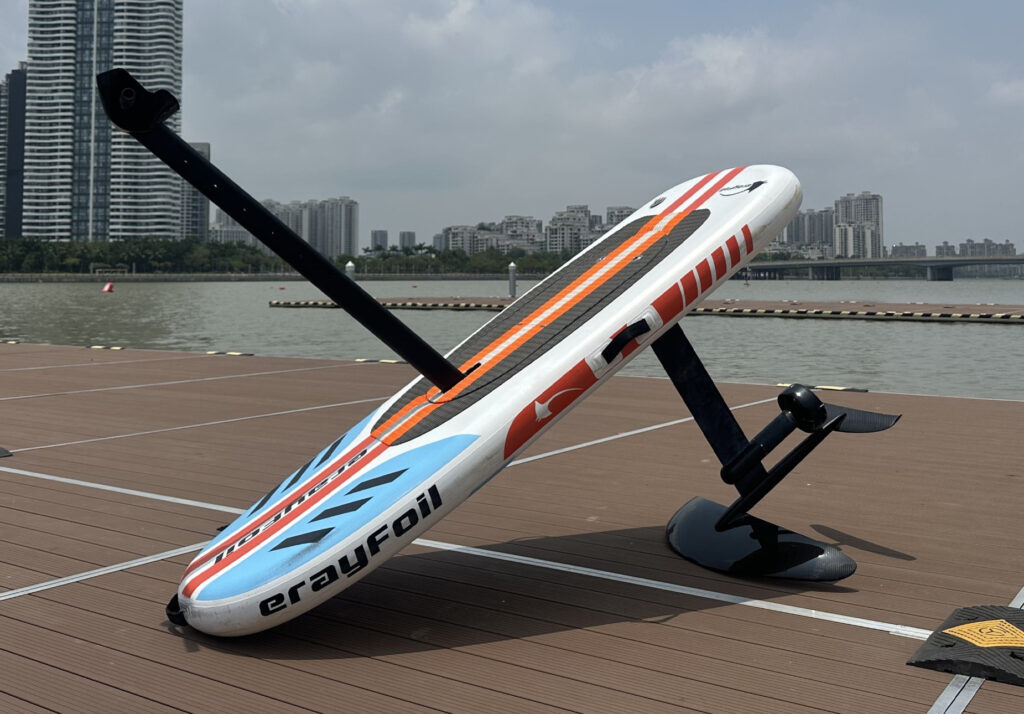
Foil boards are not dangerous by default, but they are unforgiving of ignorance. They combine sharp lifting surfaces, electric propulsion, silent operation, and elevated speeds into a package that behaves unlike any traditional watercraft.
Most incidents involving foil boards do not occur at high speed. They occur during transitions, distractions, fatigue, or misplaced confidence. This article explains why foil boards require a higher level of situational awareness than many riders expect, and how experienced operators approach safety as a discipline rather than an afterthought.
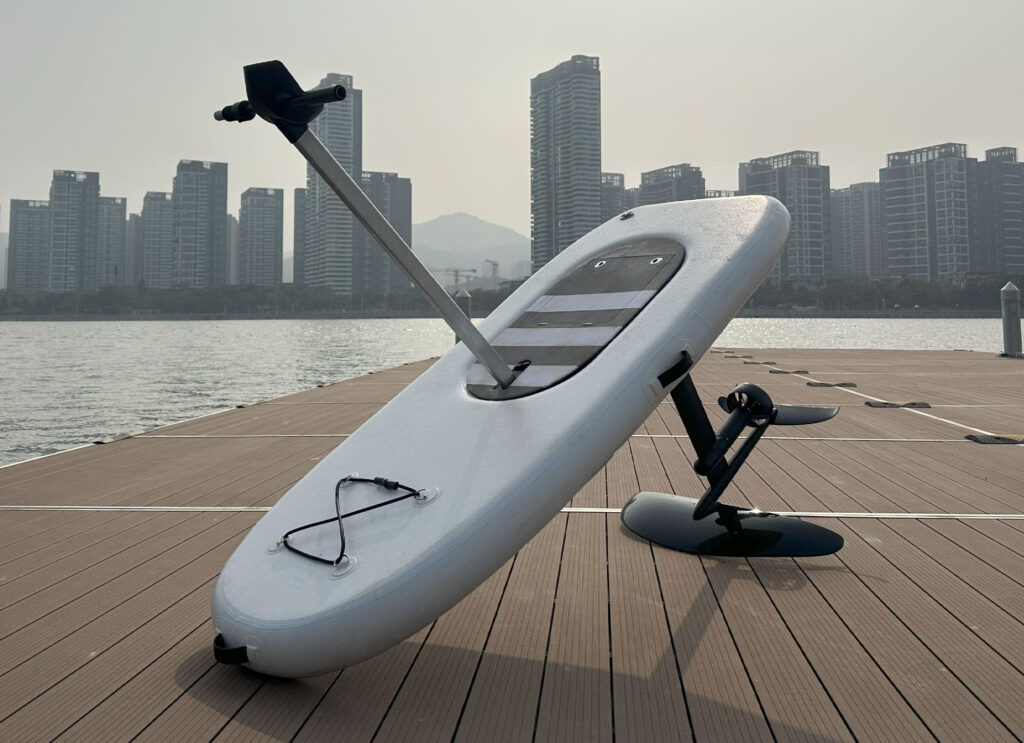
One of the most deceptive aspects of foil boards is perceived speed. Because the board flies above the water, there is no spray, wake or hull noise to provide sensory feedback.
Riders often travel faster than they realise. This matters because impact energy increases exponentially with speed. What feels like a gentle cruise can produce serious injury if control is lost.
Experienced riders learn to judge speed by body load, foil noise, and visual reference rather than sensation alone.
Foil wings are engineered lifting surfaces with sharp leading and trailing edges. At speed, they behave like underwater blades.
Contact injuries can be severe even at low speed. This is why separation protocols matter. Riders must instinctively move away from the board during falls, not toward it.
Protective equipment such as helmets, impact vests, and wetsuits are not optional for serious riding. They are standard practice among experienced operators.
Electric foil boards produce minimal noise. This creates hazards for swimmers, paddlers, and other water users who may not hear an approaching board.
Riders must compensate by increasing visual scanning and reducing speed near populated areas. Courtesy is not just etiquette; it is risk management.
Many accidents occur not while riding, but while remounting after a fall. The foil remains submerged and difficult to judge spatially.
Safe remounting requires approaching from the side, maintaining awareness of foil position, and never rushing the process. Fatigue increases mistakes here more than anywhere else.
Modern foil boards are engineered for marine environments, but seals, connectors and housings still require inspection.
Water ingress can cause sudden power loss, throttle anomalies, or delayed response. Riders must treat electrical maintenance as safety equipment, not convenience.
Lithium batteries operate within specific thermal ranges. Extended exposure to heat, improper charging, or physical damage can compromise safety.
Responsible riders follow charging protocols strictly, store batteries correctly, and avoid riding with compromised packs regardless of inconvenience.
Foil boards react more dramatically to environmental forces than surface craft. Wind gusts affect rider posture. Currents alter apparent speed. Chop challenges balance.
Experienced riders assess conditions conservatively and understand that marginal weather multiplies risk on foils faster than on traditional boards.
Mental and physical fatigue degrade reaction time, judgement, and coordination. Because foil boards demand constant micro-adjustments, fatigue arrives sooner than many expect.
Shorter sessions, hydration, and conservative riding late in sessions reduce incident rates significantly.
Advanced riders are not immune to accidents. In fact, they often ride faster, closer to limits, and in more complex conditions.
True expertise includes restraint. Knowing when not to ride is as important as knowing how.
Foil boarding exists in shared waterways. Incidents affect regulation, access, and public perception.
Riders who prioritise safety protect not only themselves but the long-term viability of the sport.

Foil boards reward respect and punish complacency. They are extraordinary machines that demand maturity, preparation, and discipline.
Those who approach them with seriousness enjoy years of incident-free riding. Those who do not often learn lessons the hard way.