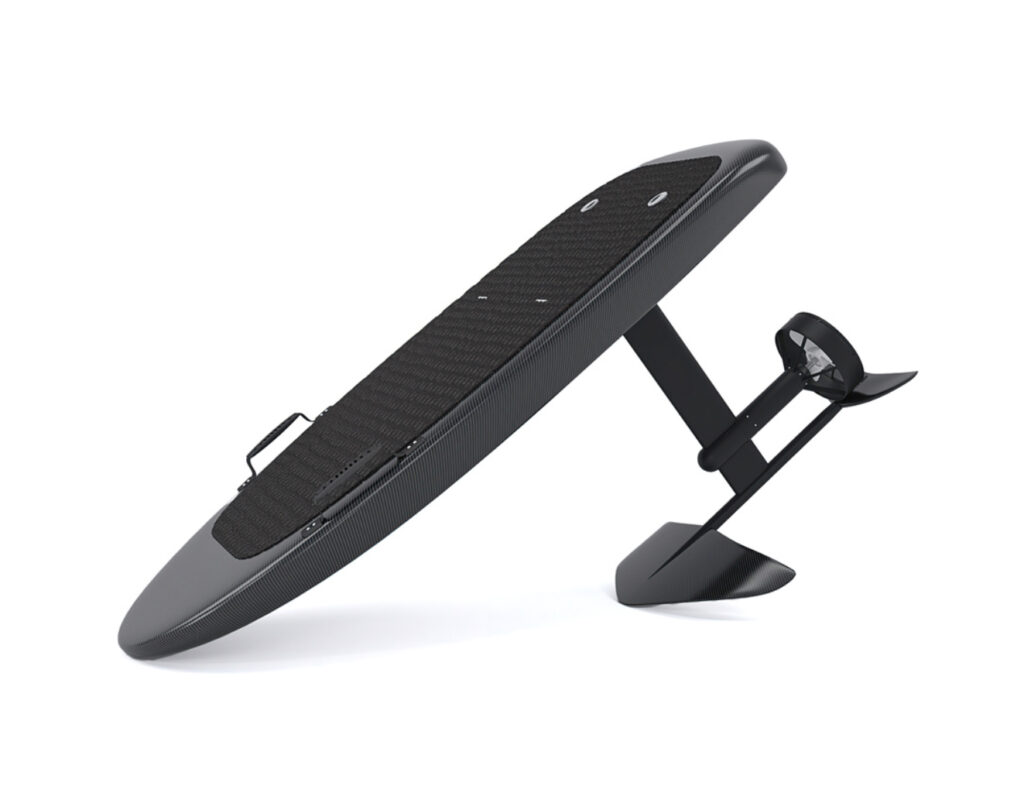
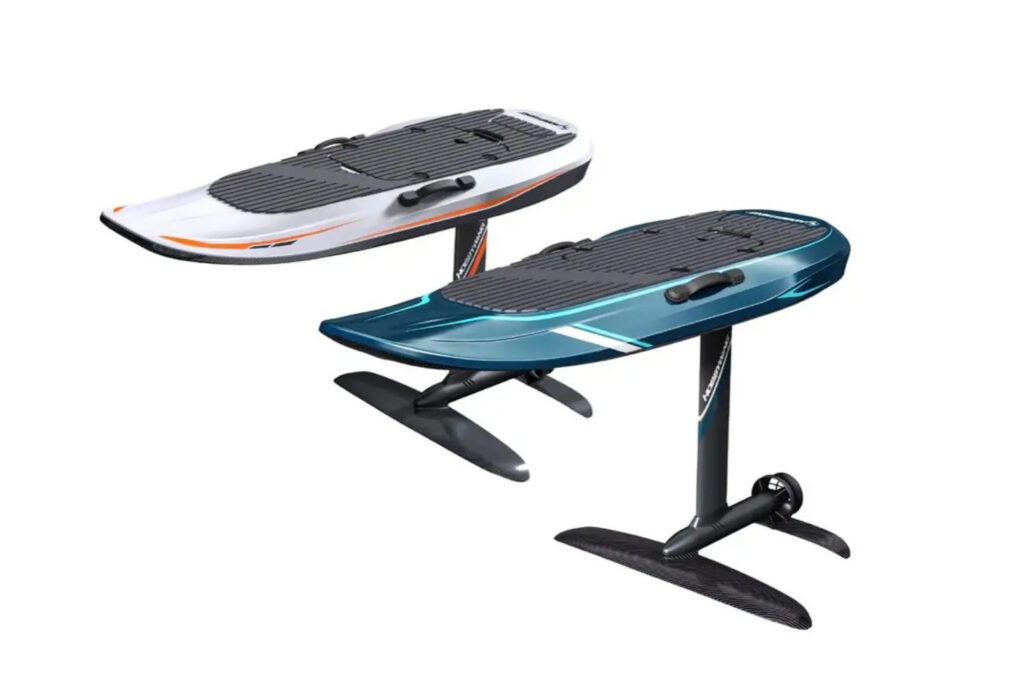
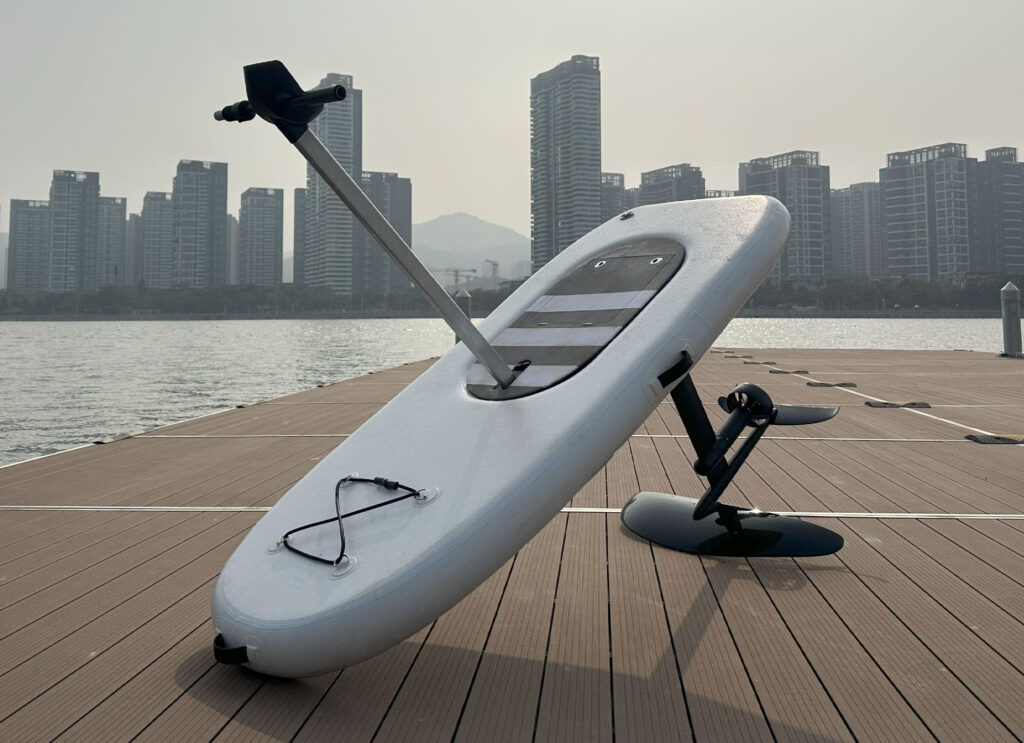
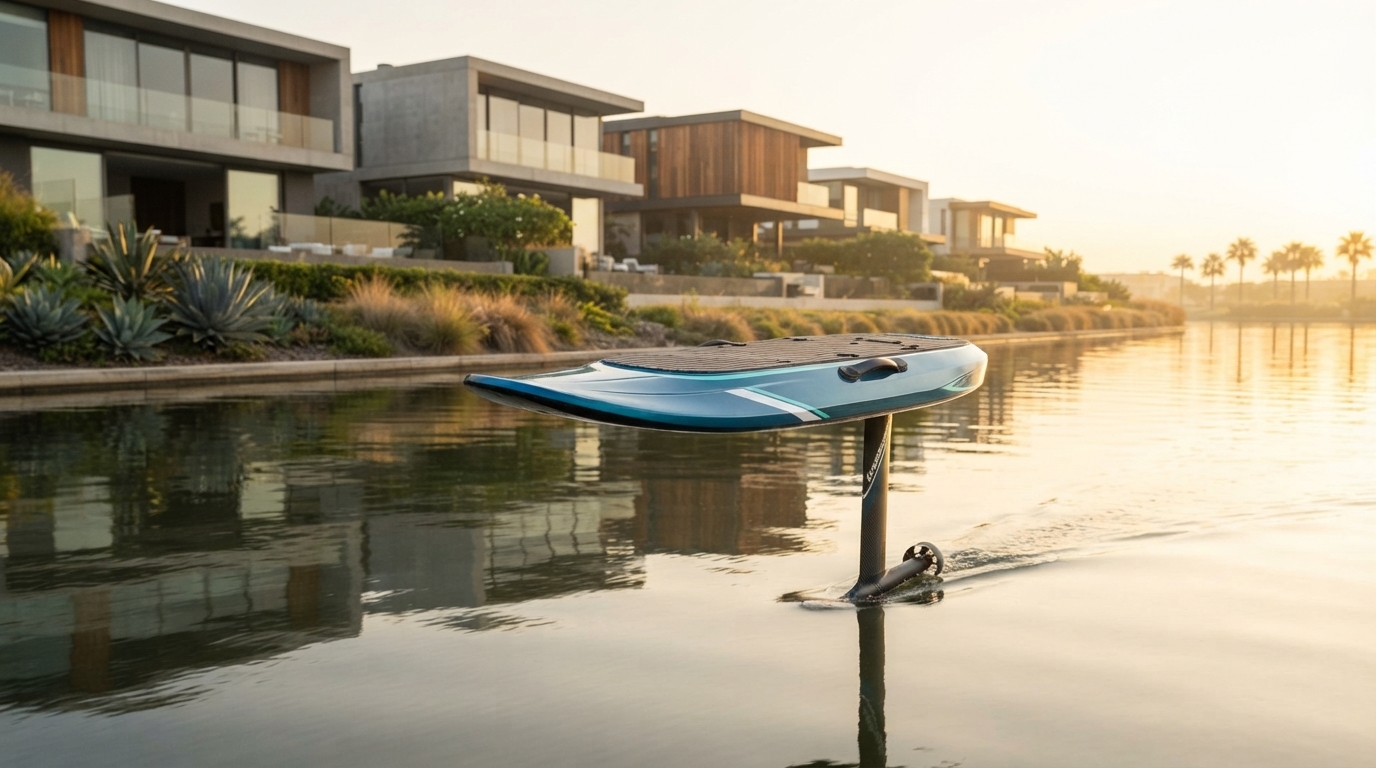
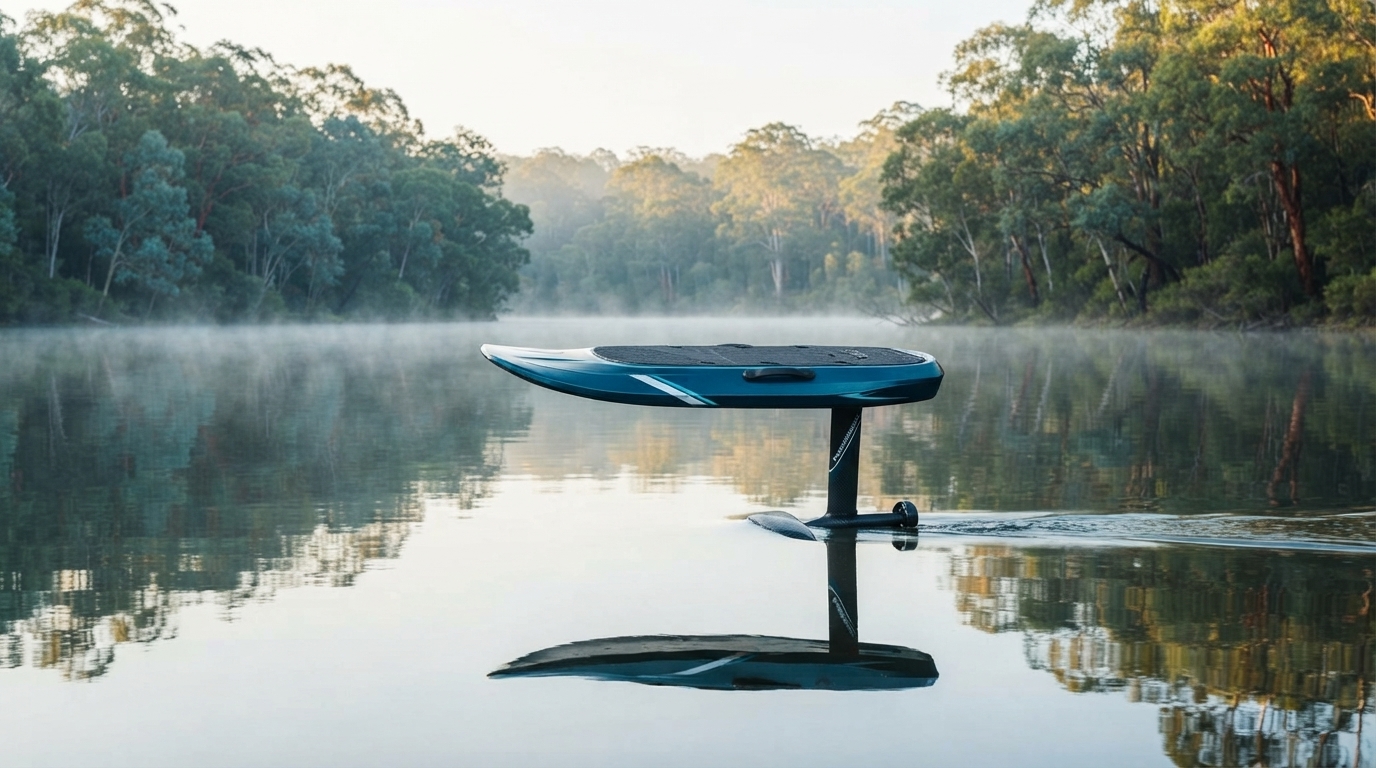
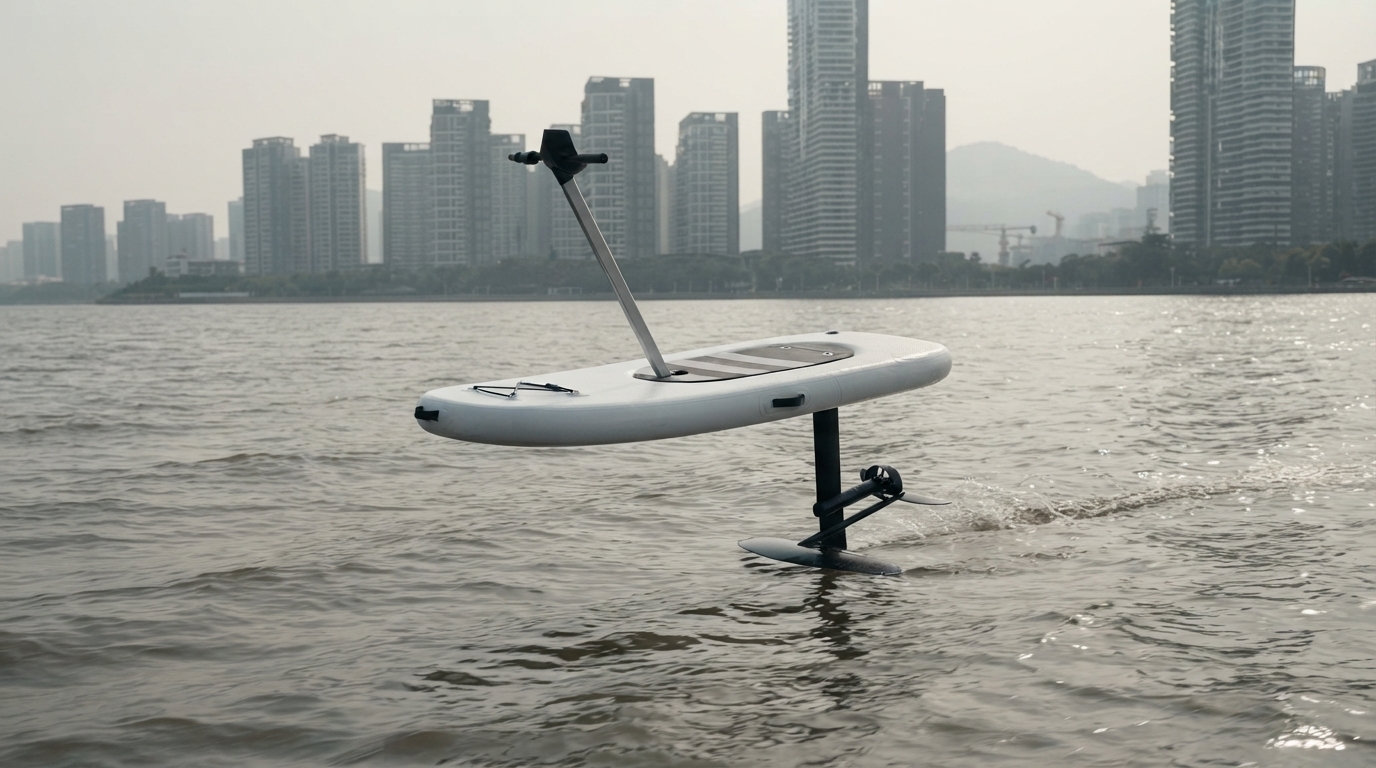
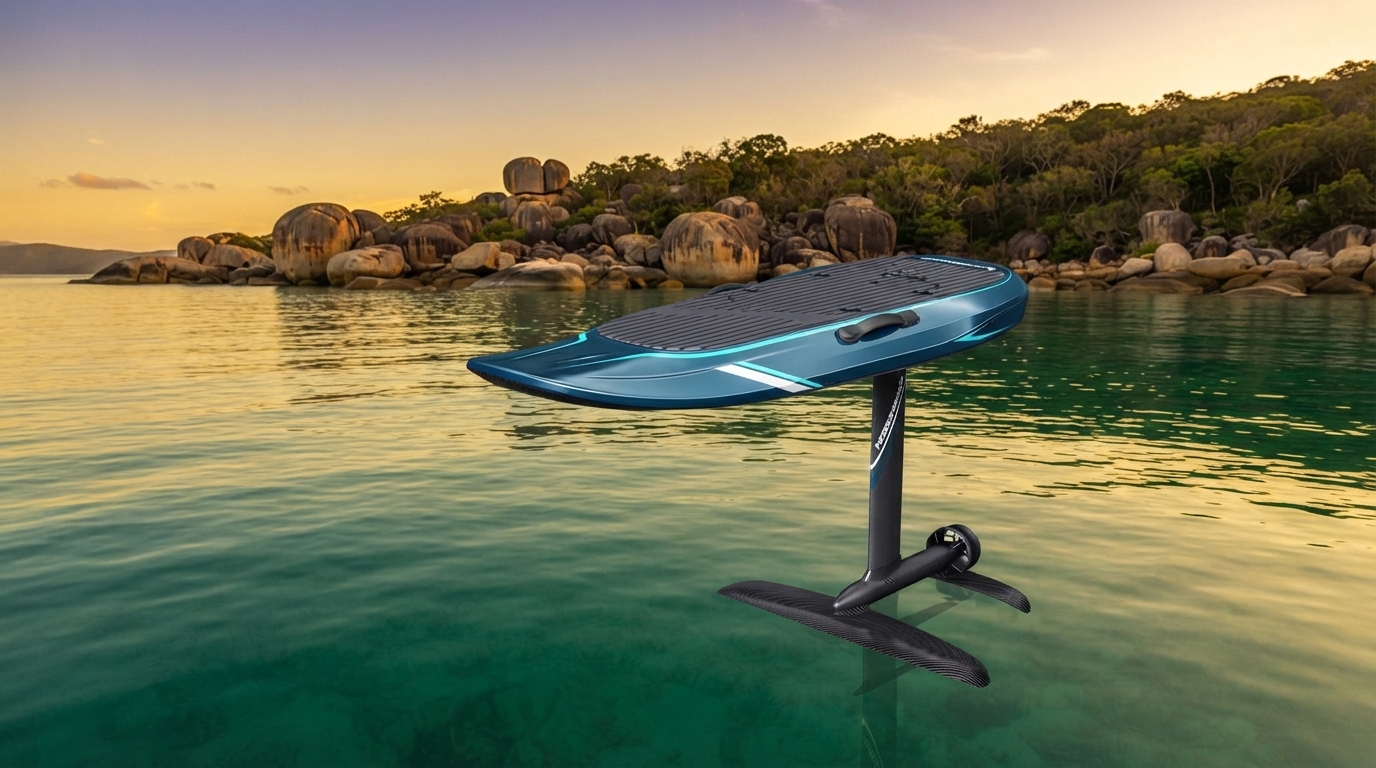
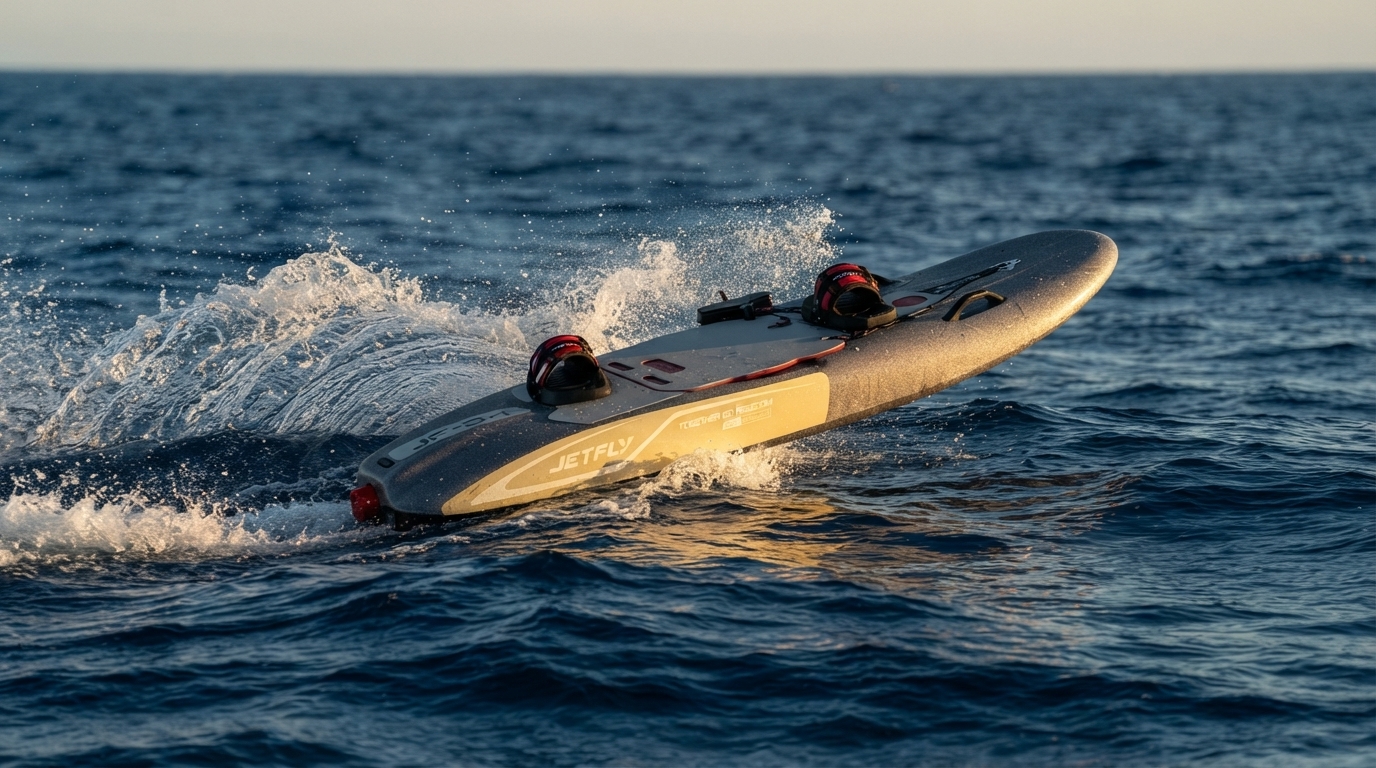
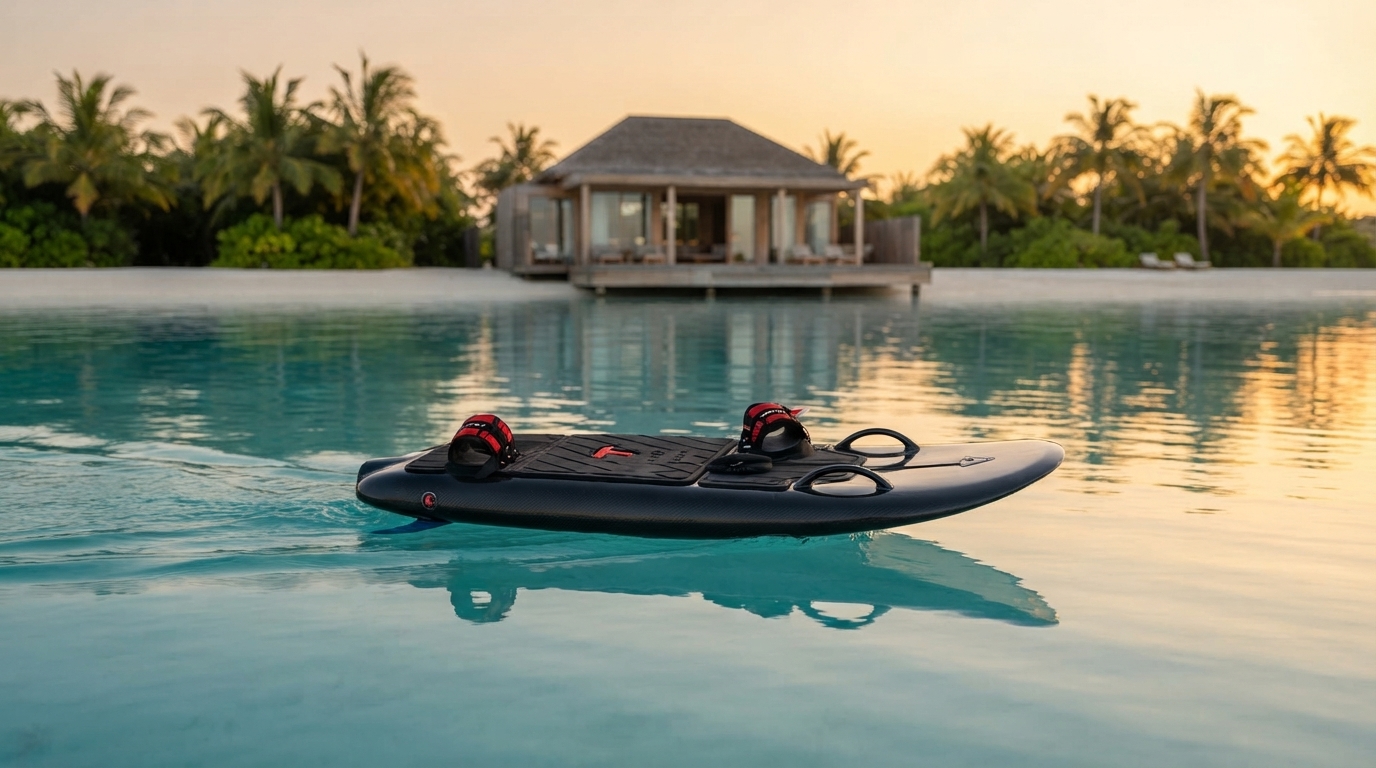
Electric jet foil boards, commonly referred to as electric foil boards or eFoils, represent the premium edge of modern water sports technology. They combine an electric propulsion system with a hydrofoil mast that lifts the board above the surface once speed is reached. The result is an experience that is unlike anything else on the water—quiet, smooth, and remarkably efficient. Riders often describe it as “flying” over the ocean rather than riding through it.
The Advantage of Lift
The key difference between an eFoil and a standard electric surfboard is lift. A surface board pushes through the water, meaning it is affected by chop, swell, and surface turbulence. An eFoil rises above that turbulence, gliding on a submerged wing that dramatically reduces drag. This creates a smoother ride and often improves efficiency because the board requires less power once foiling. For Australian riders, this is a major advantage because water conditions are not always perfectly flat, especially in open bays and coastal areas.
A Performance-Driven Sport
Electric jet foil boards appeal strongly to performance-driven buyers. Many owners are former or current jet ski enthusiasts who want something more advanced, more technical, and more refined. Others are surfers and board sport enthusiasts who enjoy mastering new skills. eFoiling is not simply a product purchase—it is a sport. There is a learning journey that involves balance, throttle control, and understanding how the foil responds to speed and body position. That progression is part of the attraction. Each session improves skill, and the reward is a feeling of control and smoothness that is genuinely addictive.
The Premium Lifestyle Choice
This category is also closely associated with premium lifestyle markets. Luxury waterfront homes, high-end resorts, private marinas, and boating communities increasingly see eFoils as the “status product” of modern water recreation. Their design is sleek, their technology is advanced, and the experience is undeniably impressive. They have become a symbol of where marine recreation is heading—electric, quiet, and high-performance.
Safety and Responsible Riding
Safety and responsible use are crucial. eFoils can travel at speed and cover distance quickly. Riders must operate in suitable areas away from swimmers and crowded zones. Many waterways include paddle boards, kayaks, and swimmers, and the quiet nature of electric propulsion means others may not hear a rider approaching. This makes awareness and courtesy essential. In the right environment, however, eFoils are highly safe and enjoyable, offering controlled, predictable performance.
Maximising Usable Riding Days
One of the major benefits of eFoiling is that it can be enjoyed even when conditions are less than ideal for other board sports. Traditional surfing requires waves. Wakeboarding requires a boat. Standard electric surfboards perform best on smooth surfaces. eFoils can handle moderate chop far better once lifted above the water. This expands usable riding days, which improves value for owners and increases the likelihood the craft will be used regularly.
The Appeal of Modern Engineering
The engineering behind electric foil boards is also part of their appeal. The combination of battery management systems, high-efficiency motors, advanced hydrodynamic foil design, and refined electronic controls makes the category attractive to buyers who appreciate technology as much as sport. Many riders enjoy not only the experience, but the innovation behind it.
In the broader Australian market, electric jet foil boards are positioned as one of the most exciting developments in modern marine recreation. They deliver a rare combination: high performance, smooth ride quality, minimal noise, and genuine modern engineering. For Australians who want the most advanced board sport experience currently available, this category is at the top of the list.
FAQs – Electric Jet Foil Boards
1. What is an electric jet foil board?
It is an electric-powered board fitted with a hydrofoil mast that lifts the rider above the water surface.
2. Are eFoils hard to learn?
They require practice, but most riders can learn with calm conditions and controlled speed settings.
3. Are electric foil boards suitable for choppy water?
Once foiling, they handle moderate chop better than surface boards, though conditions should always be assessed safely.
4. What matters most when choosing an eFoil?
Battery quality, safety systems, waterproof engineering, foil design, and after-sales support.
5. Where are electric foil boards commonly used in Australia?
They are popular in bays, rivers, lakes, and suitable coastal waters, subject to local regulations.