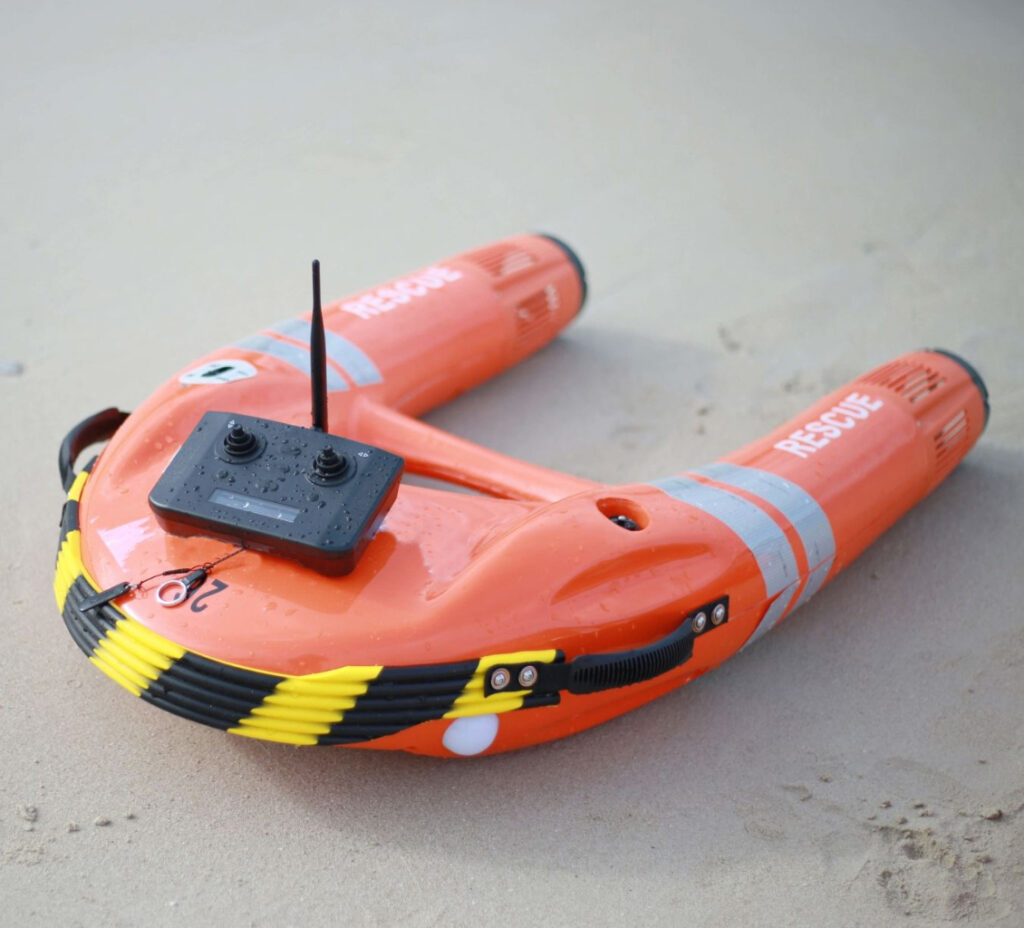
Equip your team with professional Remote Control Rescue Buoys. Deploy rapid, unmanned water rescue technology designed for Australian conditions. Enquire today.
Remote Controlled Rescue Buoys (RCRBs) are one of the most significant advancements in modern aquatic safety equipment. In a country like Australia, where beaches, rivers, marinas, lakes, and coastal recreation are part of everyday life, the ability to respond rapidly to a water emergency is not just desirable—it is essential. RCRBs provide a highly practical, modern solution for surf life saving clubs, councils, emergency responders, aquatic centres, boating operators, resorts, and private waterfront developments that want to improve rescue capability while reducing risk to human rescuers.
The fundamental purpose of an RCRB is simple: to deliver flotation to a person in distress as quickly as possible. Most drowning incidents do not occur because rescue is impossible—they occur because time is lost. In the critical early moments, panic, exhaustion, and inhalation of water can escalate rapidly. If flotation support reaches the person quickly, the situation can often be stabilised before it becomes fatal. An RCRB achieves this by travelling at speed across the surface and allowing the person in trouble to hold on immediately.
Traditional rescue methods, especially in surf conditions, often require a trained rescuer to enter the water. That rescuer may be extremely capable, but even experienced lifesavers can be endangered by rip currents, wave sets, debris, or unpredictable conditions. This is one reason rescuer safety is now a major focus in emergency response planning. RCRBs change the equation by enabling immediate assistance without immediate physical entry. The operator remains safely positioned while guiding the buoy to the casualty, improving both response speed and rescuer safety.
In Australian surf environments, the value is obvious. Many rescues involve heavy surf, fast-moving rips, and high risk. Even rescue boards and rescue skis require time to launch, and they still place responders in the same water conditions as the victim. An RCRB can often be deployed almost instantly. It becomes an extension of the rescue team rather than a replacement for it—an additional tool that improves capability and reduces exposure.
Beyond surf beaches, RCRBs are increasingly relevant for inland waterways. Rivers, lakes, and dams account for a significant portion of water incidents in Australia, particularly in summer months. People underestimate currents, fall from boats, or attempt long swims that exceed their ability. In marinas, a person can fall from a jetty, become trapped in water movement, or panic when caught between vessels. An RCRB provides a rapid method to reach them without needing a rescuer to jump in.
Commercial and private applications are also expanding. Resorts and waterfront tourism operators are increasingly expected to demonstrate duty of care. Safety equipment is no longer simply stored away in a shed; it is part of public confidence. Guests feel reassured when they see that modern rescue tools are available. Councils and property developers also benefit from visible safety investment, particularly in areas with public swimming zones, canal estates, or high-use foreshore areas.
Training is another powerful advantage. RCRBs can be used to practise rescue strategy without exhausting swimmers or placing trainees in high-risk water entry scenarios. They can also be used for scenario simulation and response drills. That means organisations can improve preparedness and develop a more systematic rescue approach.
Importantly, RCRBs do not eliminate the need for trained rescuers. They strengthen rescue outcomes by improving the first response. They buy time. They provide flotation. They stabilise panic. They reduce physical risk to rescuers. In an emergency, these factors can be decisive.
As Australia’s beaches become busier, and as water recreation grows in both coastal and inland regions, modern rescue solutions will become increasingly important. Remote controlled rescue buoys are part of that future. They represent intelligent risk management, better safety outcomes, and the use of technology to protect lives.
1. What is an RCRB?
An RCRB is a remote controlled rescue buoy designed to travel quickly to a person in distress and provide flotation support.
2. Are RCRBs only for surf beaches?
No. They are also valuable in rivers, lakes, marinas, dams, pools, and boating zones.
3. Do they replace surf lifesavers or rescue teams?
No. They support rescue teams by providing fast flotation delivery and reducing rescuer risk.
4. Are RCRBs difficult to operate?
Most are designed for simple operation, and training improves speed and effectiveness.
5. Why are RCRBs considered a major safety improvement?
Because they deliver flotation rapidly and reduce the chance of rescuers becoming victims themselves.
Remote Controlled Rescue Buoys (RCRBs) are one of the most significant advancements in modern aquatic safety equipment. In a country like Australia, where beaches, rivers, marinas, lakes, and coastal recreation are part of everyday life, the ability to respond rapidly to a water emergency is not just desirable—it is essential. RCRBs provide a highly practical, modern solution for surf life saving clubs, councils, emergency responders, aquatic centres, boating operators, resorts, and private waterfront developments that want to improve rescue capability while reducing risk to human rescuers.
The fundamental purpose of an RCRB is simple: to deliver flotation to a person in distress as quickly as possible. Most drowning incidents do not occur because rescue is impossible—they occur because time is lost. In the critical early moments, panic, exhaustion, and inhalation of water can escalate rapidly. If flotation support reaches the person quickly, the situation can often be stabilised before it becomes fatal. An RCRB achieves this by travelling at speed across the surface and allowing the person in trouble to hold on immediately.
Traditional rescue methods, especially in surf conditions, often require a trained rescuer to enter the water. That rescuer may be extremely capable, but even experienced lifesavers can be endangered by rip currents, wave sets, debris, or unpredictable conditions. This is one reason rescuer safety is now a major focus in emergency response planning. RCRBs change the equation by enabling immediate assistance without immediate physical entry. The operator remains safely positioned while guiding the buoy to the casualty, improving both response speed and rescuer safety.
In Australian surf environments, the value is obvious. Many rescues involve heavy surf, fast-moving rips, and high risk. Even rescue boards and rescue skis require time to launch, and they still place responders in the same water conditions as the victim. An RCRB can often be deployed almost instantly. It becomes an extension of the rescue team rather than a replacement for it—an additional tool that improves capability and reduces exposure.
Beyond surf beaches, RCRBs are increasingly relevant for inland waterways. Rivers, lakes, and dams account for a significant portion of water incidents in Australia, particularly in summer months. People underestimate currents, fall from boats, or attempt long swims that exceed their ability. In marinas, a person can fall from a jetty, become trapped in water movement, or panic when caught between vessels. An RCRB provides a rapid method to reach them without needing a rescuer to jump in.
Commercial and private applications are also expanding. Resorts and waterfront tourism operators are increasingly expected to demonstrate duty of care. Safety equipment is no longer simply stored away in a shed; it is part of public confidence. Guests feel reassured when they see that modern rescue tools are available. Councils and property developers also benefit from visible safety investment, particularly in areas with public swimming zones, canal estates, or high-use foreshore areas.
Training is another powerful advantage. RCRBs can be used to practise rescue strategy without exhausting swimmers or placing trainees in high-risk water entry scenarios. They can also be used for scenario simulation and response drills. That means organisations can improve preparedness and develop a more systematic rescue approach.
Importantly, RCRBs do not eliminate the need for trained rescuers. They strengthen rescue outcomes by improving the first response. They buy time. They provide flotation. They stabilise panic. They reduce physical risk to rescuers. In an emergency, these factors can be decisive.
As Australia’s beaches become busier, and as water recreation grows in both coastal and inland regions, modern rescue solutions will become increasingly important. Remote controlled rescue buoys are part of that future. They represent intelligent risk management, better safety outcomes, and the use of technology to protect lives.
1. What is an RCRB?
An RCRB is a remote controlled rescue buoy designed to travel quickly to a person in distress and provide flotation support.
2. Are RCRBs only for surf beaches?
No. They are also valuable in rivers, lakes, marinas, dams, pools, and boating zones.
3. Do they replace surf lifesavers or rescue teams?
No. They support rescue teams by providing fast flotation delivery and reducing rescuer risk.
4. Are RCRBs difficult to operate?
Most are designed for simple operation, and training improves speed and effectiveness.
5. Why are RCRBs considered a major safety improvement?
Because they deliver flotation rapidly and reduce the chance of rescuers becoming victims themselves.
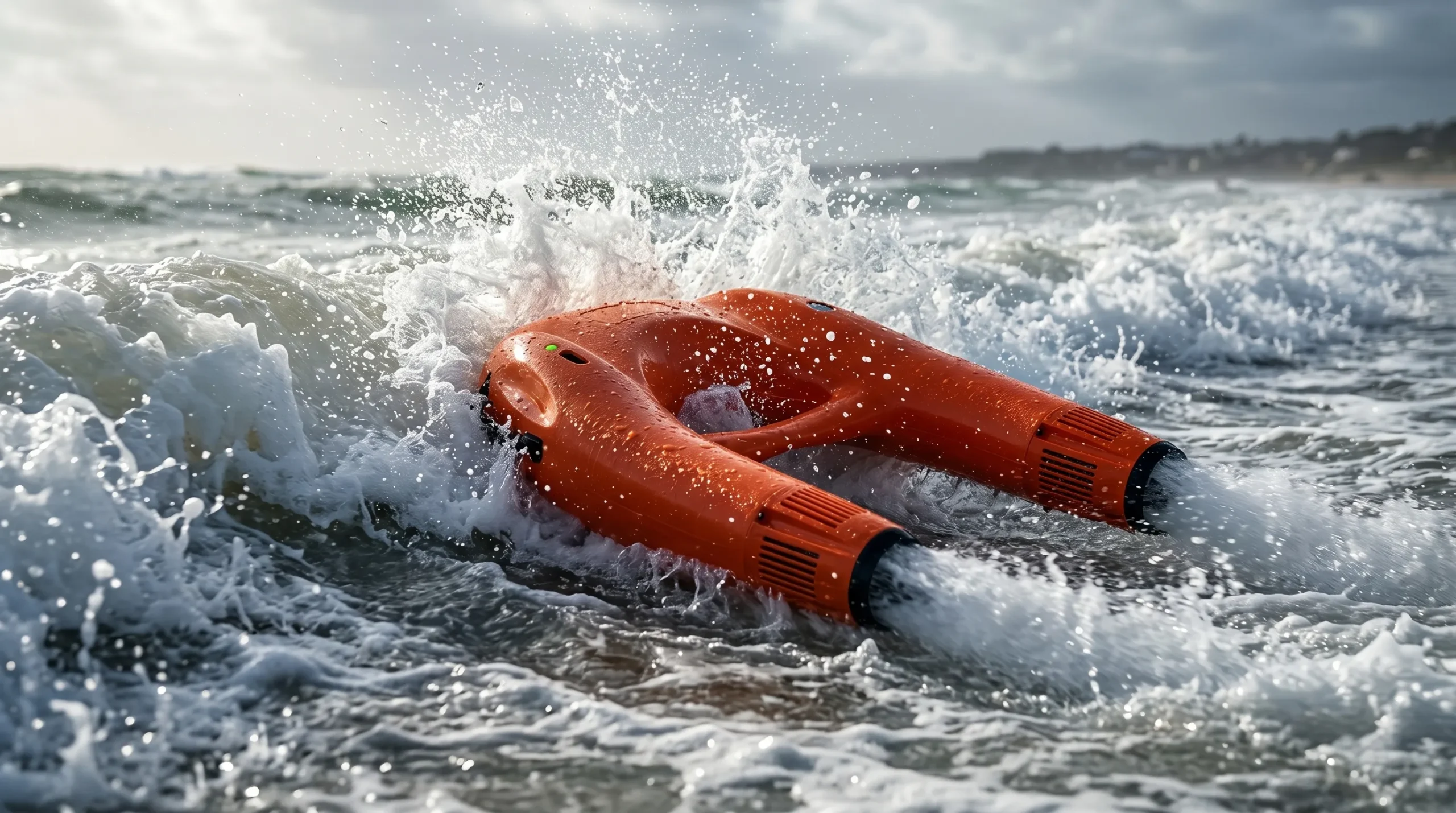
Remote Control Rescue Buoys (RCRBs) are often sold on numbers. Top speed. Motor wattage. Battery
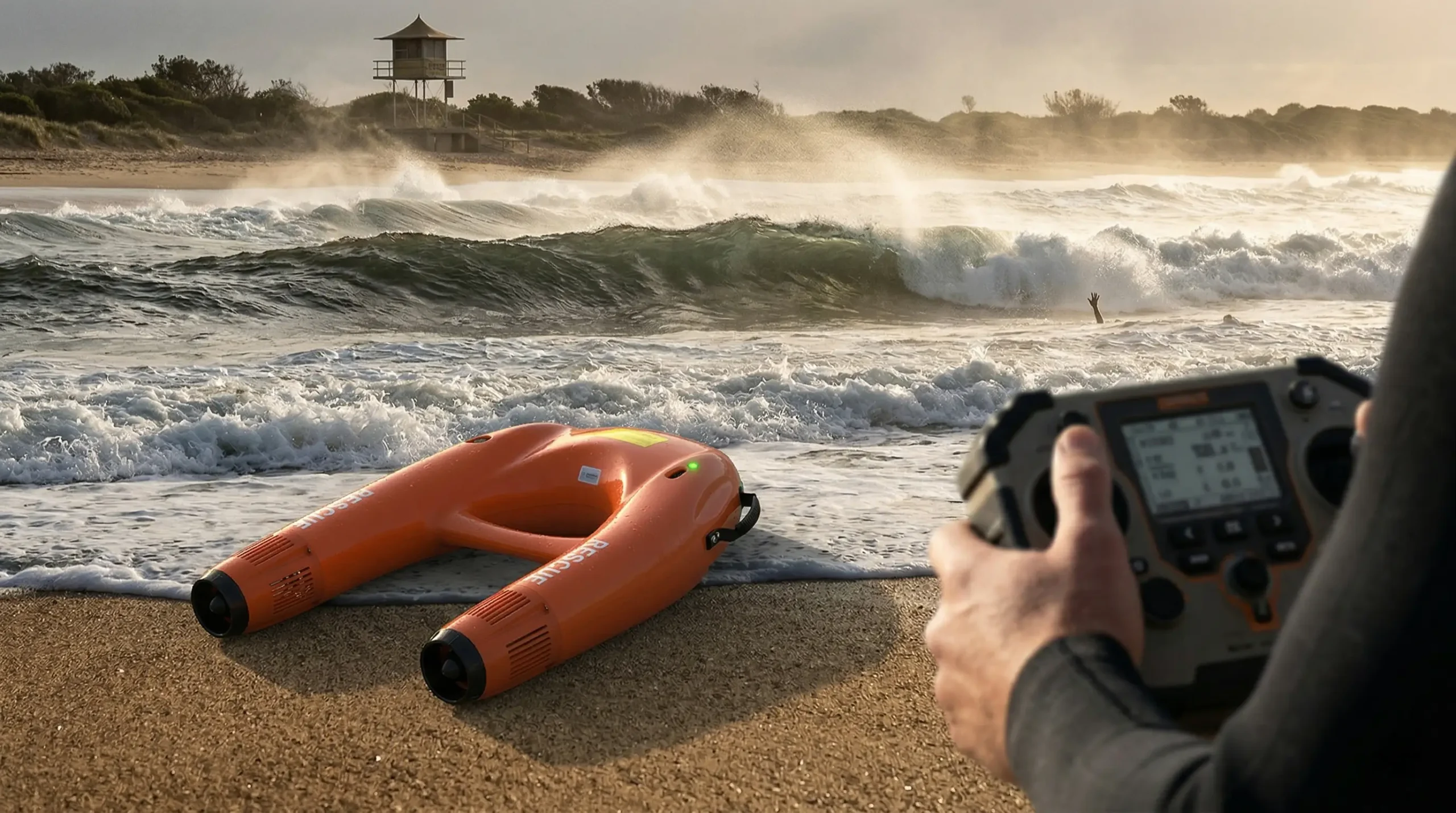
Remote Control Rescue Buoys (RCRBs) are no longer experimental or “nice-to-have” devices. In Australia, they
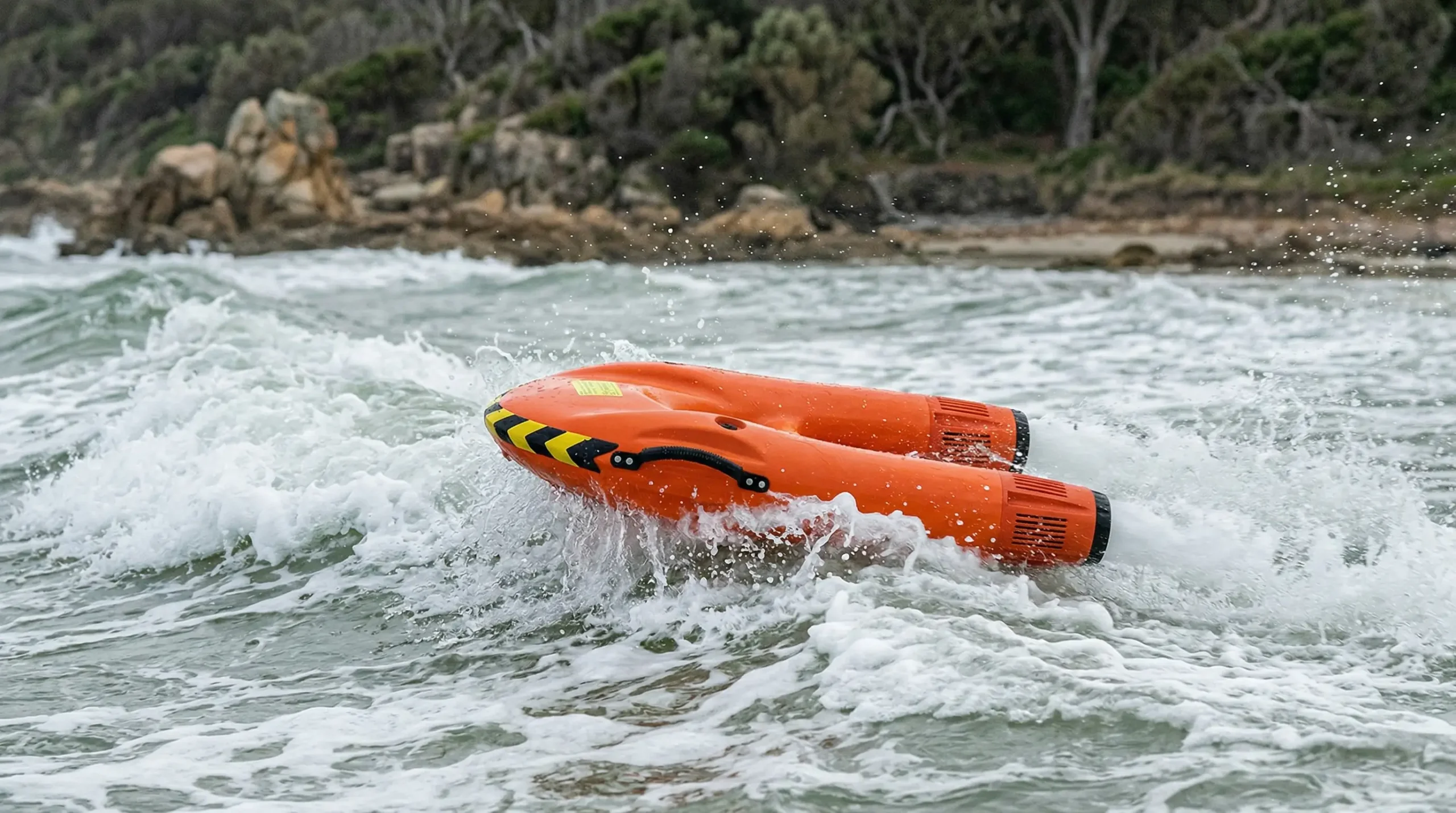
Remote Control Rescue Buoys (RCRBs) are often promoted using calm-water demonstrations, straight-line speed figures, and
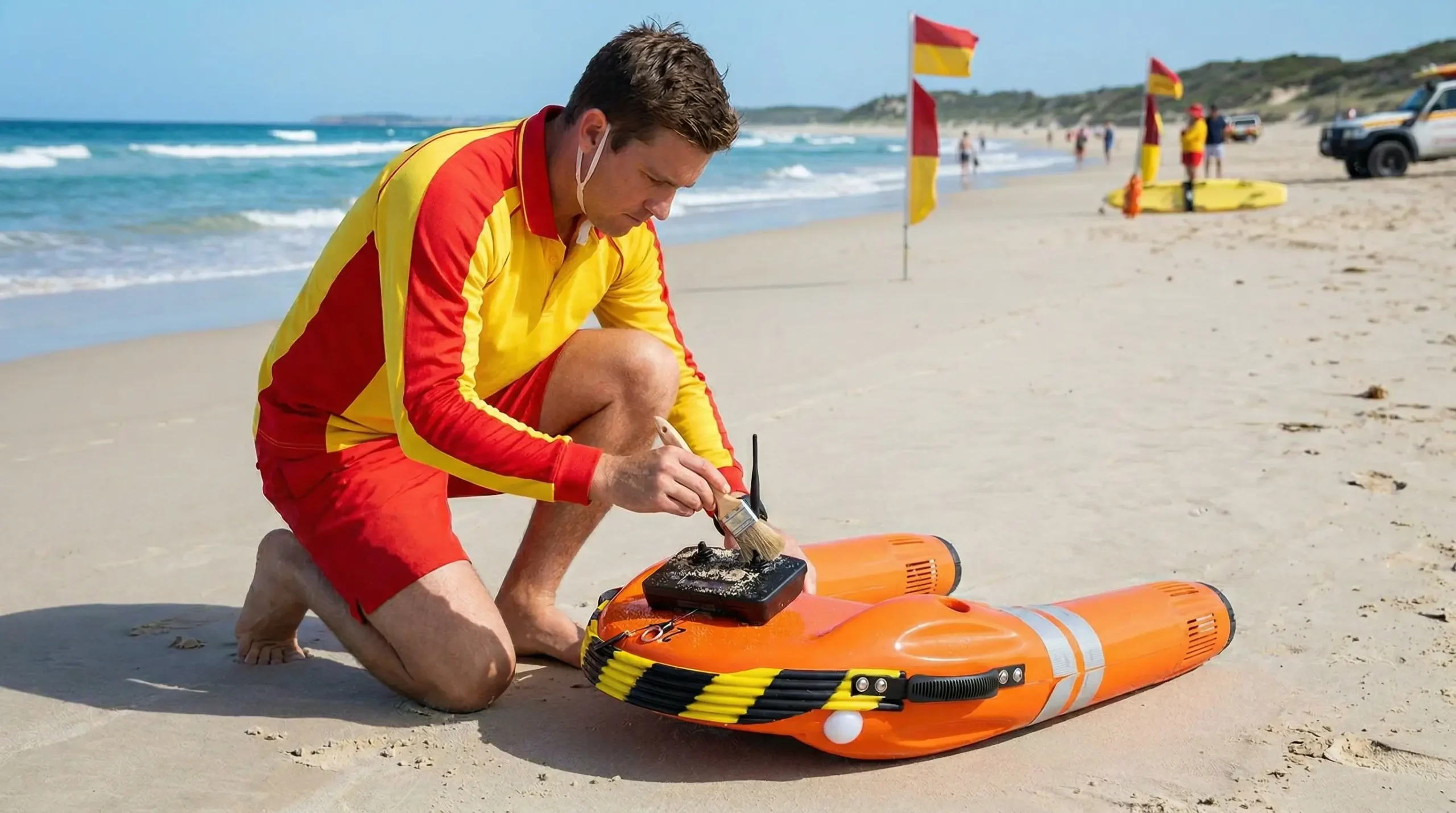
Introduction: Why Maintenance Matters in Life-Saving Equipment Remote Control Rescue Buoys (RCRBs) are not discretionary
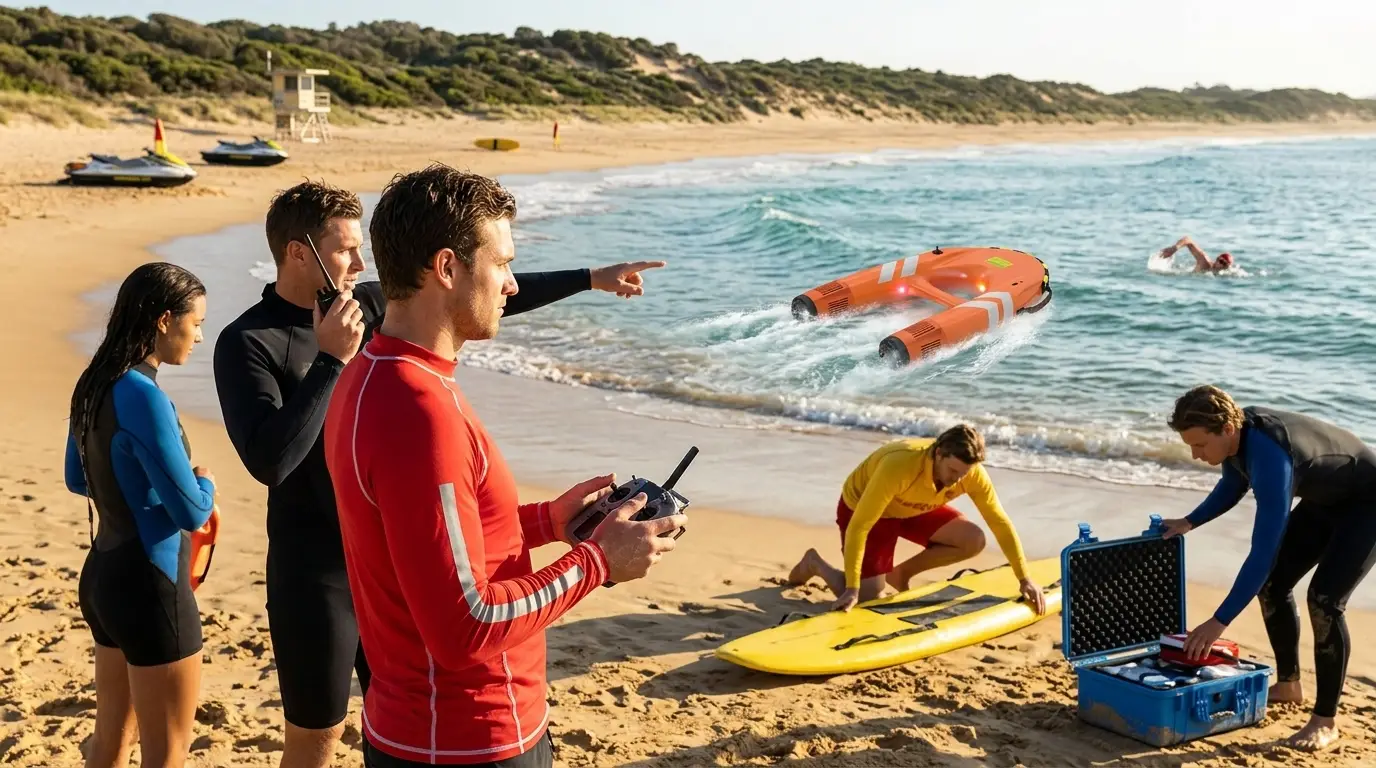
Introduction: From Standalone Equipment to Integrated Rescue Capability Emergency response outcomes are rarely determined by
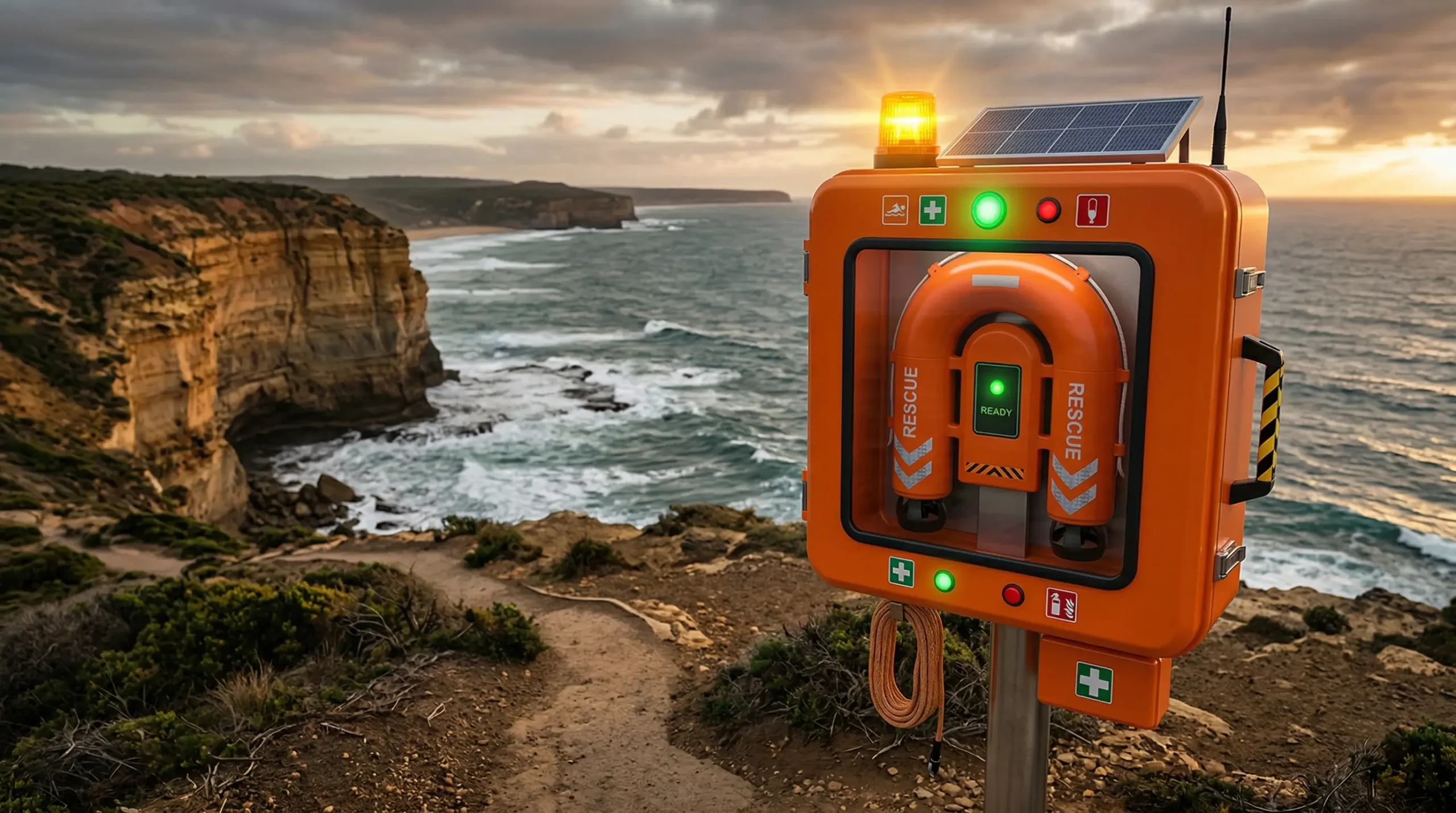
How Vector Watercraft Is Developing Specialised Secure Containers for RCRBs in Remote Locations – Ensuring