Proof & Authority
How Fast Do Underwater Scooters Go? Comparing Speed and Performance
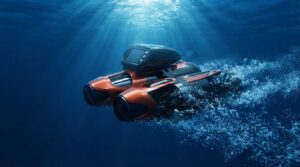
Powered movement underwater is one of the main reasons people buy an electric sea scooter or Diver Propulsion Vehicle in the first place.

Powered movement underwater is one of the main reasons people buy an electric sea scooter or Diver Propulsion Vehicle in the first place.
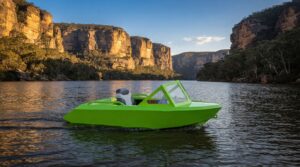
Manufacturers typically publish a range figure based on a specific, defined set of conditions — often a single rider, moderate cruising speed, calm water, and a fully charged battery.

Understanding what it does helps explain a lot about how different electric mini jet boats feel to ride, even when their motor and battery specifications look similar on paper.
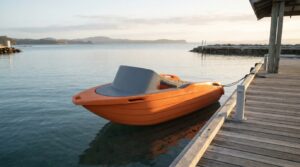
Several inherent characteristics of electric propulsion translate directly into meaningful safety advantages for mini jet boat operators and everyone sharing the water around them.
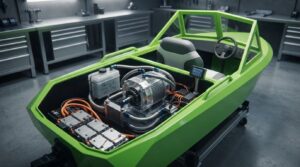
Under sustained high-speed running, repeated hard acceleration, or use in already-hot ambient conditions, heat generation increases significantly, and effective management becomes far more important.
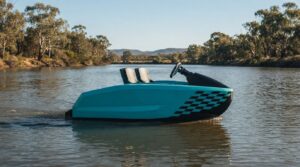
As covered in the article on hull weight, energy consumption and acceleration are both closely tied to total mass being moved through the water.
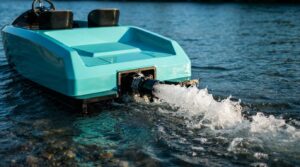
Popular understanding of jet propulsion often stops at a fairly simple mental picture: water goes in one end, gets pushed out the other end faster, and the boat moves forward.

Electric propulsion, lightweight materials, digital control systems and efficient engineering are rapidly reshaping transportation across land, air and now increasingly across water.
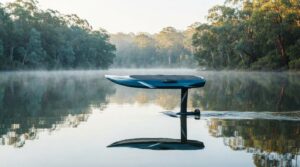
Rivers are becoming increasingly popular for electric foil boarding because they provide long, smooth riding corridors often protected from ocean swell.
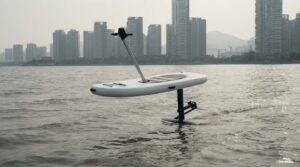
By combining hydrofoil technology with electric propulsion systems, electric foil boards dramatically reduce drag compared to traditional surface-based boards and watercraft.
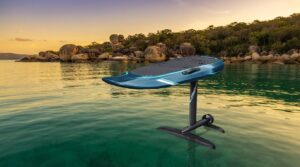
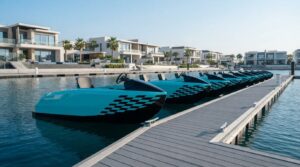
Luxury marine recreation is evolving rapidly. Affluent consumers no longer seek only traditional boats, jet skis or large marine equipment.
Building genuinely conservative utilisation assumptions into initial projections, rather than optimistic best-case scenarios, produces a more reliable basis for investment decisions.
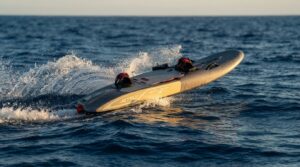
Improvements in battery systems, propulsion technology and electronic controls have transformed the category into one of the fastest-growing segments in premium watersports.
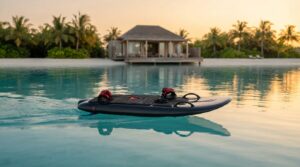
Traditional watersports still remain popular, but many luxury buyers now seek alternatives that feel more refined, modern and aligned with contemporary lifestyle expectations.
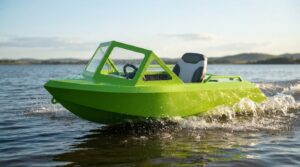
Understanding these distinctions helps ensure everyone aboard is wearing something genuinely appropriate, rather than simply “a life jacket” in the most generic sense.
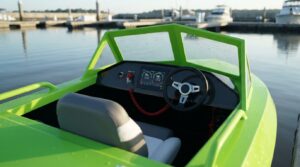
Building this habit deliberately, especially in the early stages of ownership, pays dividends in confidence and safety for every outing that follows.
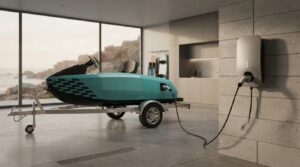
Setting up to charge an electric mini jet boat at home is, for most owners, a straightforward process — but “straightforward” doesn’t mean it should be approached casually.
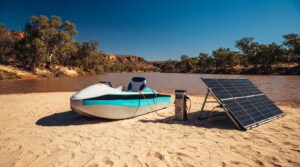
Australia’s high solar uptake, combined with growing interest in electric mini jet boats, naturally raises a practical question: can you genuinely charge a mini jet boat from home solar power?
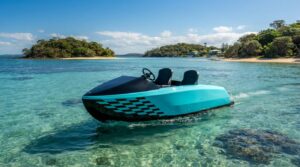
In these specific settings, a mini jet boat can be a genuinely capable island-hopping platform, provided the limitations of its compact size and design are properly understood and respected.
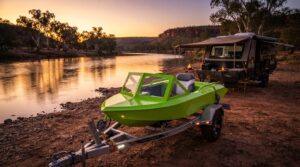
Motorhomes and camper trailers have their own rated payload capacity — the total additional weight, beyond the vehicle’s own base weight, that can be safely carried.
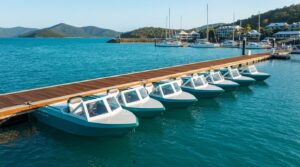
A commercial rental operation involves customers with widely varying experience levels, many of whom will have never operated this type of watercraft before.
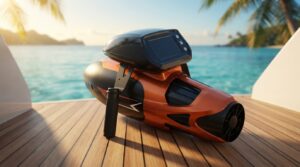
For recreational users, that can mean exploring more of a sheltered bay, reef or swimming area during the available time in the water.
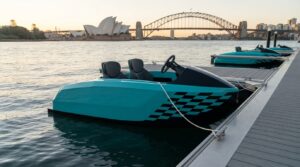
A Mini Jet Boat with a lower quoted top speed may provide a better overall experience if it has superior handling or a more appropriate hull design.
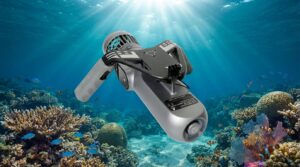
Underwater scooters can be an exciting and practical way to explore beneath the surface, but like all powered watersports equipment, they need to be used correctly.
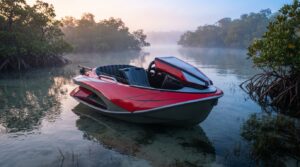
Fishing is one of the most common activities people picture when they imagine owning a small boat, and mini jet boats are increasingly being considered for exactly this purpose.
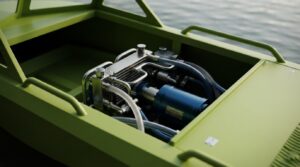
Air cooling and water cooling represent two genuinely different approaches to managing motor and controller heat, each with real advantages and real compromises.
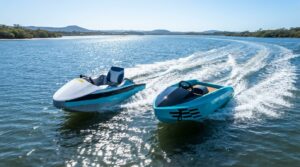
A well-designed 15kW boat can provide lively recreational performance for an appropriate operator. A 25kW model can offer stronger acceleration and improved performance under greater load.
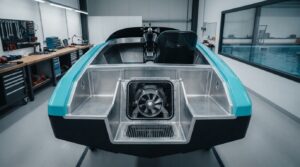
The deadrise angle, the chine design, the length-to-beam ratio, and the distribution of buoyancy along its length are not arbitrary choices.
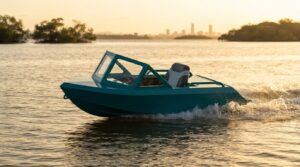
On one side sit fully assembled electric mini jet boats, engineered, tested, and certified before they ever touch a lake or river.
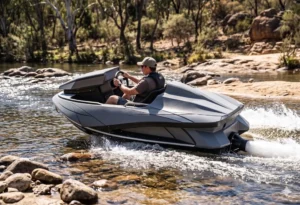
Modern HDPE Mini Jet Boats are rapidly changing the boating industry by offering dramatically improved toughness, impact resistance, and durability compared with traditional fibreglass jet