
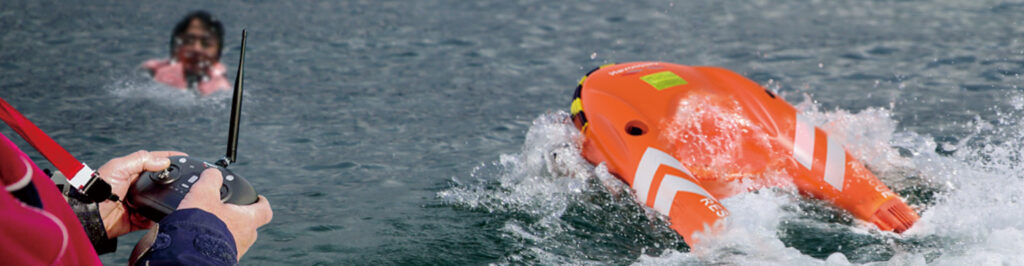
Most people imagine water rescues taking place under the watchful eye of trained lifeguards on patrolled beaches. In reality, the majority of serious water emergencies occur far from this idealised setting. Lakes, rivers, inlets, unpatrolled beaches, marinas, flood zones, resort waterways, and coastal access points account for the bulk of drownings and near-drownings in Australia and internationally.
These locations often share common characteristics:
Time is the defining factor.
Water rescue is not governed by strength, bravery or intent — it is governed by minutes, and often by seconds.
Remote-control life rescue buoys exist for one simple reason: to close the deadly time gap between distress and flotation.
They are not designed to replace professional lifeguards or trained rescuers. They are designed to deliver immediate flotation, rapidly, without putting another life at risk, in places where help may be minutes away or not available at all.
In many emergencies, the first person to witness a swimmer in distress is not a professional. It is a companion, family member, passer-by, marina worker or resort guest. The instinctive reaction is to enter the water.
This is where tragedy compounds. Untrained rescuers frequently become victims themselves, particularly in rivers, floodwaters, surf zones and cold water.
Swimming out with no flotation, against current or wave action, often results in exhaustion within moments. Even strong swimmers are overwhelmed by panic, drag and unpredictable conditions.
Even in Australia, which has one of the strongest beach safety cultures in the world, the overwhelming majority of coastline and inland waterways remain unpatrolled most of the time.
Lifeguards work defined hours. Floods, storms, night-time incidents and private environments sit outside normal rescue coverage.
Remote rescue buoys address this gap by acting as an always-available first-response asset.
Throw ropes, static flotation rings and poles rely on throwing accuracy, proximity and calm conditions. In moving water, wind or panic situations, effectiveness drops sharply.
A remote-controlled rescue buoy removes guesswork. The buoy goes to the person, not the other way around.
Medical and rescue professionals are unified on this point: loss of effective airway control leads to rapid decline.
Once panic sets in, breathing becomes erratic, coordination collapses and strength drains rapidly. Even confident swimmers can lose the ability to stay afloat in under a minute once panic and fatigue combine.
Remote-controlled rescue buoys typically reach a person in the water far faster than any swimmer, regardless of fitness.
This speed does two things:
The first goal of water rescue has always been flotation. Remote rescue buoys deliver flotation faster, more consistently and without secondary risk.
One of the least discussed aspects of water rescue is rescuer safety.
Professional organisations participate in ongoing training because entering water carries inherent risk. Expecting untrained members of the public, volunteers or junior staff to do the same — particularly in rivers, floodwaters or surf — is neither reasonable nor responsible.
Remote-control rescue buoys allow a rescuer to remain on land or on a vessel, maintaining line of sight and control without exposure to danger.
This is not a modern luxury — it is a correction to decades of unnecessary risk.
The same reasoning led to the widespread adoption of AEDs, fire extinguishers and confined-space rescue equipment. We accepted that relying solely on human endurance was not enough.
Water safety deserves the same practical thinking.
Patterns in drowning data consistently show concentration in:
These settings are often assumed to be “low risk” because they lack waves or crowds. In reality, they present some of the most unpredictable conditions.
Remote rescue buoys thrive in these environments because they were designed specifically for them.
A person in water distress is not thinking logically. Panic accelerates exhaustion and worsens outcomes.
A rapidly approaching flotation device delivers an immediate psychological shift. Panic reduces. Breathing stabilises. The person regains the ability to cooperate with rescue instructions.
This effect is well documented in rescue practice. The sooner flotation is provided, the higher the chance of survival — not simply because the body floats, but because the mind regains control.
Remote-control rescue buoys achieve this faster than almost any other intervention.
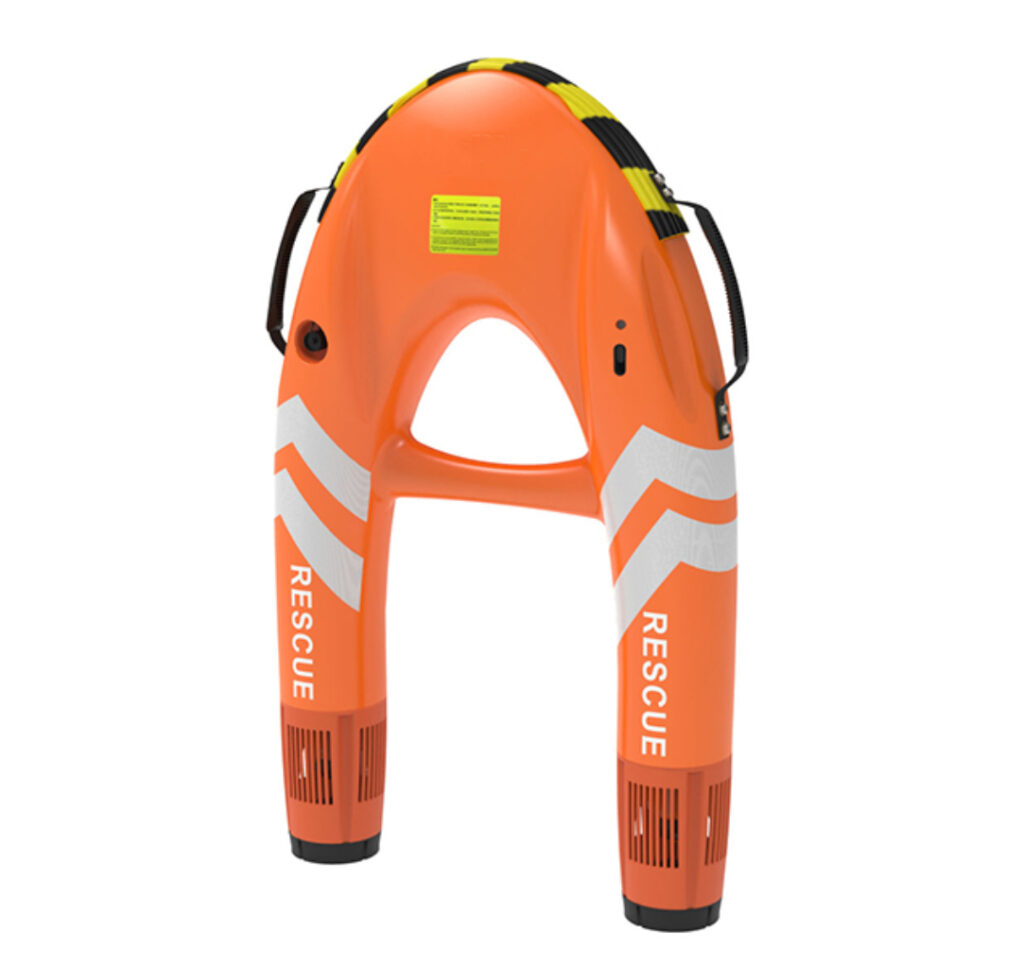
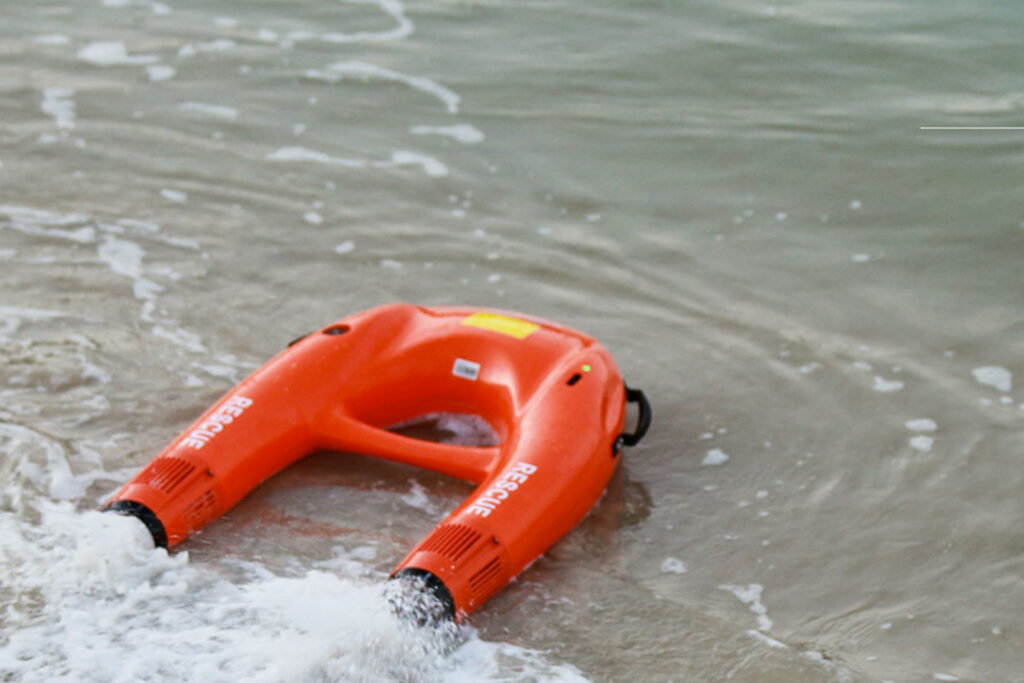
Modern remote rescue buoys use jet propulsion rather than exposed propellers. This is not a marketing detail — it is a fundamental safety advantage.
Jet systems reduce the risk of injury to the casualty and allow operation in shallow water, debris-filled environments and surf.
Combined with bright visibility, high buoyancy and stable design, this allows safe retrieval even when conditions deteriorate.
From a risk-management perspective, this makes jet-driven rescue buoys suitable for public access environments.
Remote rescue buoys are at their best when integrated into broader safety planning.
They act as:
They support lifeguards, marine rescue personnel, SES units, volunteer groups and private facility operators.
Crucially, they do not require heroics. They require presence, readiness and common sense.
Floodwaters present unique dangers: debris, contamination, reduced visibility and unpredictable currents.
Traditional rescue methods often expose responders to unacceptable risk. Remote rescue buoys can be deployed from bridges, banks or boats to reach stranded individuals without entering the water.
In disaster response planning, equipment that reduces responder exposure is increasingly favoured — and rightly so.
Councils, resorts, clubs and marina operators increasingly face scrutiny over safety preparedness. The question is no longer “Was help eventually provided?” but “Were reasonable preventative measures in place?”
Remote-control rescue buoys represent a reasonable, affordable and demonstrably effective safety measure in high-risk locations.
Failing to provide flotation where drowning risk exists is becoming harder to defend — particularly when proven solutions are readily available.
Just as AEDs moved from “optional” to “expected,” remote rescue buoys are following the same path in aquatic environments.
They are:
They do not diminish the value of trained rescuers. They strengthen outcomes.
Water rescue is entering a more pragmatic era.
We are recognising that:
Remote-control life rescue buoys embody this shift.
They are not about doing more with less.
They are about doing what should have been done decades ago — ensuring immediate flotation can be delivered without hesitation or danger.
In water rescue, outcomes are decided early. Often before emergency services arrive. Often before trained help is available.
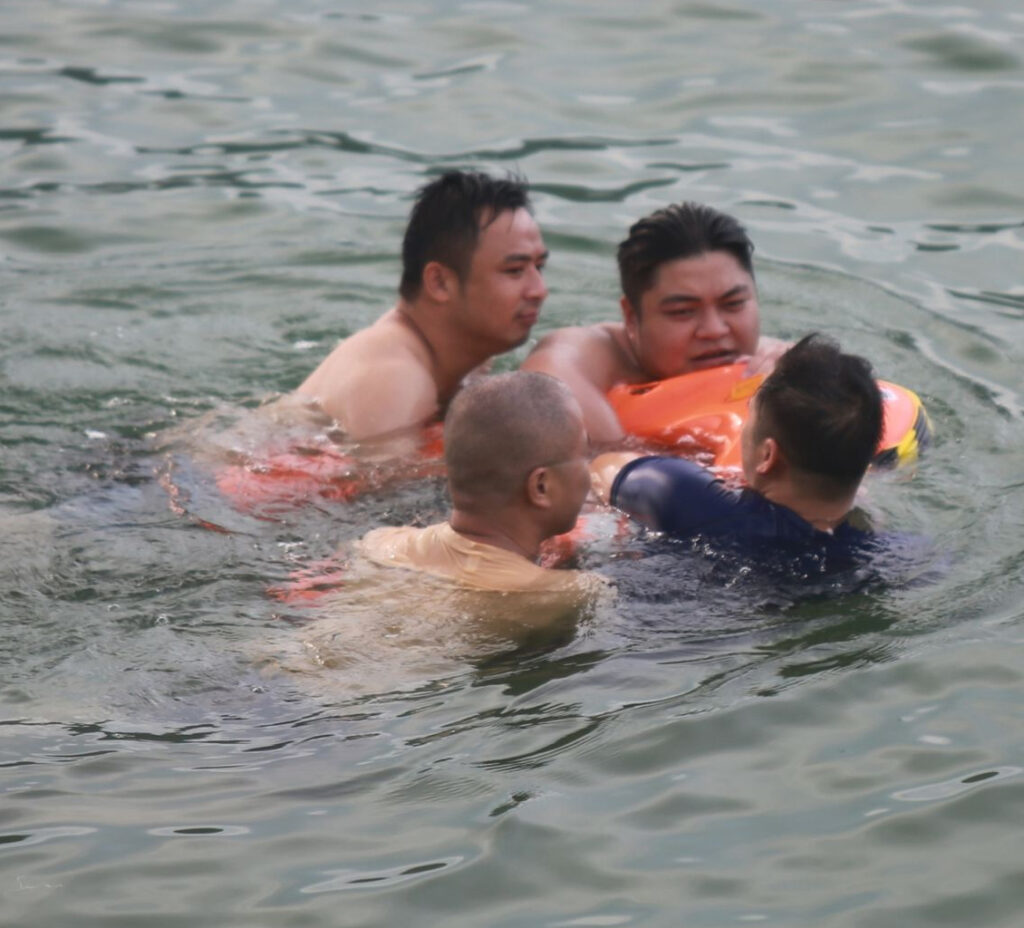
Remote-control rescue buoys exist to act in that window.
They do not promise miracles.
They promise flotation, speed and safety — the three factors most likely to turn tragedy into survival.
And in water rescue, that remains the measure that matters most.